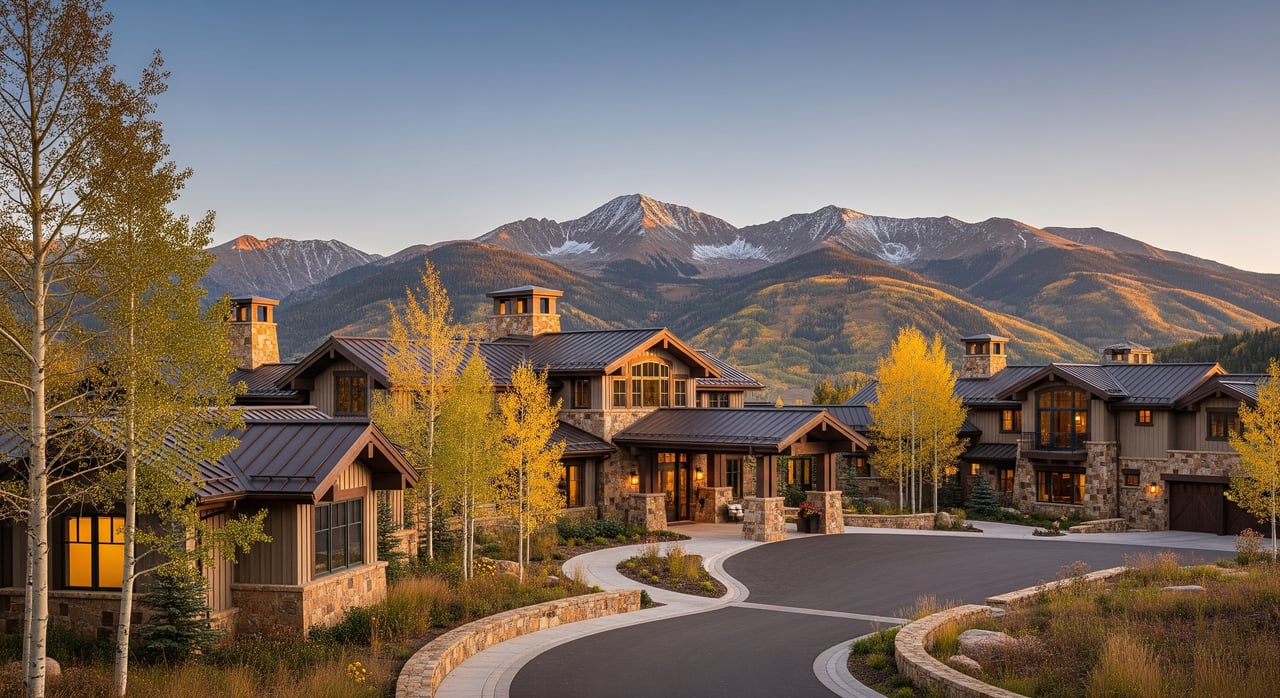
If you are exploring Cordillera, choosing the right village is the decision that shapes your daily rhythm more than any floor plan ever will. You are not just buying a home. You are choosing elevation, access, golf proximity, views, and how winter feels at your driveway. In this guide, you will see how Valley, Mountain, Divide, and Summit differ, what lifestyle each tends to support, and what to verify before you write an offer. Let’s dive in.
Cordillera at a glance
Cordillera is a private, gated community in the Eagle and Gypsum side of the Vail Valley corridor. It is organized into four villages within one master-planned setting. Each village sits at a different topographic position, which influences access, snow, views, and privacy.
A private club manages many of the headline amenities such as golf, fitness, pools, and some dining. Homeowner associations cover roads, common infrastructure, and covenants. Club membership and HOA assessments are separate and should be verified for any home you consider.
Cordillera’s location gives you convenient reach to Vail Valley recreation. Lower villages tend to offer slightly quicker egress to main roads and airport access. Higher villages bring a more alpine feel and more snow in winter. Seasonal conditions can affect daily travel, especially after storms.
How the four villages differ
The villages form a natural progression from lower to higher elevation. As you move up, you tend to trade a bit of drive time for broader views, trail access, and privacy. Here is what you can expect in each area.
Valley Village
Valley is generally the lowest-elevation village with flatter terrain and an earlier spring thaw compared to higher zones. Many homes sit closer to entrance roads, which often makes year-round access easier during snow events. You can still expect mountain weather, just with less exposure than the upper villages.
Housing in Valley commonly includes traditional single-family homes and some attached options, with moderate lot sizes. Some properties sit near or along fairways and have convenient routes to Valley-side clubhouse facilities. The overall setting favors everyday ease.
Lifestyle highlights include shorter internal drives, gentler driveways, and family-friendly layouts that work well for full-time living. Buyers who prioritize quick access, walk-the-dog convenience, and golf adjacency often start here.
Mountain Village
Mountain sits mid-slope with rolling hills and wide views. The setting blends open-space edges, fairway frontage, and sightlines toward ski mountains. Terrain varies, so some homes have steeper driveways or longer private approach roads.
You will see larger single-family homes and custom builds, often in mountain-modern or classic alpine styles. Many properties enjoy proximity to Mountain-side golf facilities, with easy access to tee boxes and cart paths.
This village suits you if you want a balanced mix of views, estate-style living, and close-in club access. Golf-focused owners and second-home buyers who want convenience without sacrificing outlooks often gravitate here. Some downsizers also find single-level or main-floor living options among custom designs.
Divide Village
Divide occupies a ridge and transitional contour between lower and upper areas. It is widely appreciated for dramatic, long-range vistas across the valley and toward surrounding peaks. Parcels often feel more separated from neighbors, with a sense of quiet even when you are a short drive from core amenities.
Homes here tend to be custom and, in many cases, newer construction. Contemporary designs that frame big sky and mountain lines are common. While some lots sit near course features, Divide is more known for privacy and views than for direct fairway frontage.
Choose Divide if you value architecture, modern lines, and panoramic outlooks. Second-home buyers and empty-nesters who want a refined, private feel often start their search here, then narrow by driveway grade, sun exposure, and how the site handles winter.
Summit Village
Summit is the highest village with a true alpine character. You can expect cooler temperatures and greater snow accumulation through winter. Roads and driveways are often steeper, which means you will want to understand snow removal plans and vehicle needs before you buy.
Estate properties and custom homes on larger lots are common. Outdoor spaces and orientation matter here, since you are often above much of the community with sweeping, elevated views. Many Summit homes look out over courses rather than sitting right on them.
Summit fits privacy seekers and outdoor enthusiasts who want quick access to trail systems and a more secluded feel. If you love high-elevation scenery and do not mind additional winter maintenance, this village delivers a rare mix of space and outlook.
Choosing your fit: lifestyle priorities
As you weigh options, focus on the day-to-day. The right village should make daily life feel simple and aligned with your routine.
- If access is your top priority: Valley offers gentler driveways, shorter internal drives, and a quicker path to the community gate and main roads.
- If golf proximity matters most: Mountain and Valley, especially fairway-adjacent homes, often place you closest to tee boxes and clubhouse facilities.
- If you want views and architecture: Divide emphasizes ridge lines, privacy, and designs that leverage the panorama.
- If you want space and trail access: Summit offers larger lots, seclusion, and a more alpine lifestyle.
Think about the basics too. Everyday services like groceries and healthcare are available in Eagle and Gypsum. For a broader range of dining and retail, you will likely head toward Beaver Creek and Vail. All villages provide access to hiking, biking, equestrian trails, and river recreation in the valley. Lower areas often feel closer to flat bike corridors and river points, while the upper areas place you near alpine trailheads.
HOA vs club: what to know
Many buyers assume HOA assessments include club amenities. In Cordillera, your HOA and the private club are distinct. Your home can be inside the gates and still require a separate membership for golf, pools, fitness, and certain dining venues. Policies, initiation fees, and waitlists can change, so rely on current documents.
Here is what to verify for any property:
- HOA structure: Which associations apply, master plus village. Ask for current assessments, what they cover, and recent reserve studies.
- Club membership: Mandatory or optional for the home, initiation fees, categories, annual dues, and guest policies.
- Rental rules: Minimum stay requirements, seasonal restrictions, and registration procedures that apply to your sub-association.
- Architectural controls: Exterior materials, color approvals, landscape and lighting requirements, and design review steps.
- Maintenance and snow: Street plowing, driveway responsibility, and any requirements during storm events.
- Utilities and taxes: Utility providers, water or special districts, and property tax details from county records.
Touring tips by season
- Winter: Higher villages can see more snow and have steeper roads. Test approach routes, garage access, and turning radiuses. Confirm plowing schedules and whether owners must keep vehicles off certain areas during storms.
- Spring: Lower areas often thaw earlier, which can matter for landscaping and outdoor living. Check drainage, sun exposure, and how fast decks and walkways dry out.
- Summer and fall: Walk the lot lines and evaluate privacy, trail proximity, and outdoor living zones. Note afternoon winds and how shade moves across patios.
Quick village comparison
Use this snapshot to align your shortlist with your lifestyle:
Valley
- Terrain: Lower elevation, flatter, earlier spring thaw.
- Homes: Traditional single-family plus some attached options, moderate lots.
- Golf: Often closest to Valley-side facilities, some fairway-adjacent homes.
- Lifestyle: Easier access, shorter internal drives, practical for full-time living.
- Best fit: Buyers sensitive to winter driving, families, and those who want golf convenience without steeper drives.
Mountain
- Terrain: Mid-slope with rolling hills and broad views.
- Homes: Larger custom builds, mountain-modern and traditional styles.
- Golf: Close to Mountain-side course, many near tee boxes and cart paths.
- Lifestyle: Balance of views, club proximity, and estate-style feel.
- Best fit: Golfers, second-home buyers seeking convenience and outlooks, some downsizers wanting single-level living.
Divide
- Terrain: Ridge line with panoramic valley and peak views.
- Homes: Custom, often newer construction with contemporary designs.
- Golf: Views and privacy over direct fairway frontage.
- Lifestyle: Architectural flexibility, separation from neighbors, quiet setting.
- Best fit: View-driven buyers, second-home owners, and empty-nesters seeking privacy.
Summit
- Terrain: Highest elevation, alpine character, more snow.
- Homes: Estate properties on larger lots, outdoor living focus.
- Golf: Often farther from clubhouse entrances, big view corridors.
- Lifestyle: Seclusion, trail access, and dramatic scenery.
- Best fit: Privacy-focused buyers and outdoor enthusiasts who accept added winter maintenance.
Questions to ask before you visit
Bring this checklist to your first call and your first tour:
- Village fit: What village best matches your access, views, and privacy goals?
- HOA details: Which associations apply and what do current assessments cover?
- Club membership: Is membership optional or required for this home, and what categories are available now?
- Rental policy: What minimum stays or seasonal rules apply to this sub-association?
- Design controls: What are the current exterior, landscape, and lighting guidelines?
- Snow and maintenance: Who plows roads and driveways, and what are owner responsibilities during storms?
- Utilities and districts: Which providers and special districts serve the home, and are there separate mill levies?
- Taxes and records: What do current county assessor and treasurer records show for the parcel?
- Site practicality: How steep is the driveway, how much sun does it get, and where will you store gear and vehicles?
- Travel: How do seasonal conditions affect access from the village you prefer?
Practical next steps
- Ask for official community and village maps that show village boundaries, course routing, clubhouse locations, pools, fitness centers, and trailheads.
- Request current HOA budgets, assessment schedules, and CC&Rs for the master and the specific village.
- Confirm club membership categories, initiation, dues, and any waitlists for the timeframe you plan to use the amenities.
- If you want to build or renovate, get architectural review guidelines and timelines so you understand feasibility before you close.
- Time your first visit to match your lifestyle. If winter use matters, tour after a storm to see how access feels. If views and outdoor living drive your decision, tour late afternoon to study light and shade.
When you are ready to refine your shortlist, a local advisor who blends construction literacy, governance insight, and market experience can help you weigh tradeoffs at the parcel level. That is how you choose a village with confidence and buy the right home the first time.
Ready to compare homes and walk lots in Valley, Mountain, Divide, and Summit? Schedule a confidential market strategy consultation with Patrick Scanlan - Main Site.
FAQs
Is club membership required to buy in Cordillera?
- Club membership is commonly offered but may not be mandatory for ownership; verify the policy, initiation, dues, and any waitlists for the specific property with current club documents.
How do HOA dues differ among villages in Cordillera?
- Assessments vary by village and home type based on services included; request the most recent budgets and reserve studies from the HOA before you compare options.
Can I offer short-term rentals in Cordillera?
- Rental rules are set by sub-associations and may include minimum stays or seasonal limits; confirm the exact policy in writing from the HOA and review any club-related restrictions.
Does higher elevation in Cordillera affect daily living?
- Upper villages typically see more snow and cooler temperatures; plan for steeper driveways, confirm plowing arrangements, and allow time to acclimate if you are new to altitude.
Are there opportunities to build or renovate in Cordillera?
- Homesites and custom builds are often available in select areas; obtain current architectural guidelines and approval processes to assess timing, design flexibility, and feasibility before you buy.