Craving a true mountain base where trailheads start down the street and winter actually feels like winter? If East Vail is on your list, you already value privacy, big scenery and quick access to the backcountry. You also want a clear view of permits, hazards and the real costs of owning in a high‑alpine neighborhood. This guide gives you the essential facts on access, housing types, renovation rules, hazard overlays, trails and forest interfaces, plus a practical checklist to buy with confidence. Let’s dive in.
East Vail at a glance
East Vail is a distinct neighborhood on the town’s east end along the Gore Creek and I‑70 corridor. The Town of Vail lists it among its recognized neighborhoods with residential pockets, parks and nearby trailheads that serve day users as well as residents. You trade village bustle for a quieter, more outdoor‑oriented setting with frequent wildlife sightings and big alpine views. For many buyers, that swap delivers more space inside and out without sacrificing access to Vail’s core amenities.
- Learn more about neighborhood context from the Town’s listing of Vail neighborhoods.
Access and getting around
You reach East Vail from I‑70 at Exit 180. The Town’s visitor guide points to Eagle County Regional Airport and Denver International as your commercial flight options, with Eagle typically a 40‑minute drive in normal conditions. In winter, plan for interstate weather and occasional incident slowdowns to influence timing.
- Review the Town’s guidance on getting here and airport access.
Vail operates a free bus system with East Vail routes and request stops that make ski days and grocery runs easier. If low‑maintenance commuting matters, map your walk to the nearest stop and check frequency during peak seasons.
Housing and utilities: what you’ll find
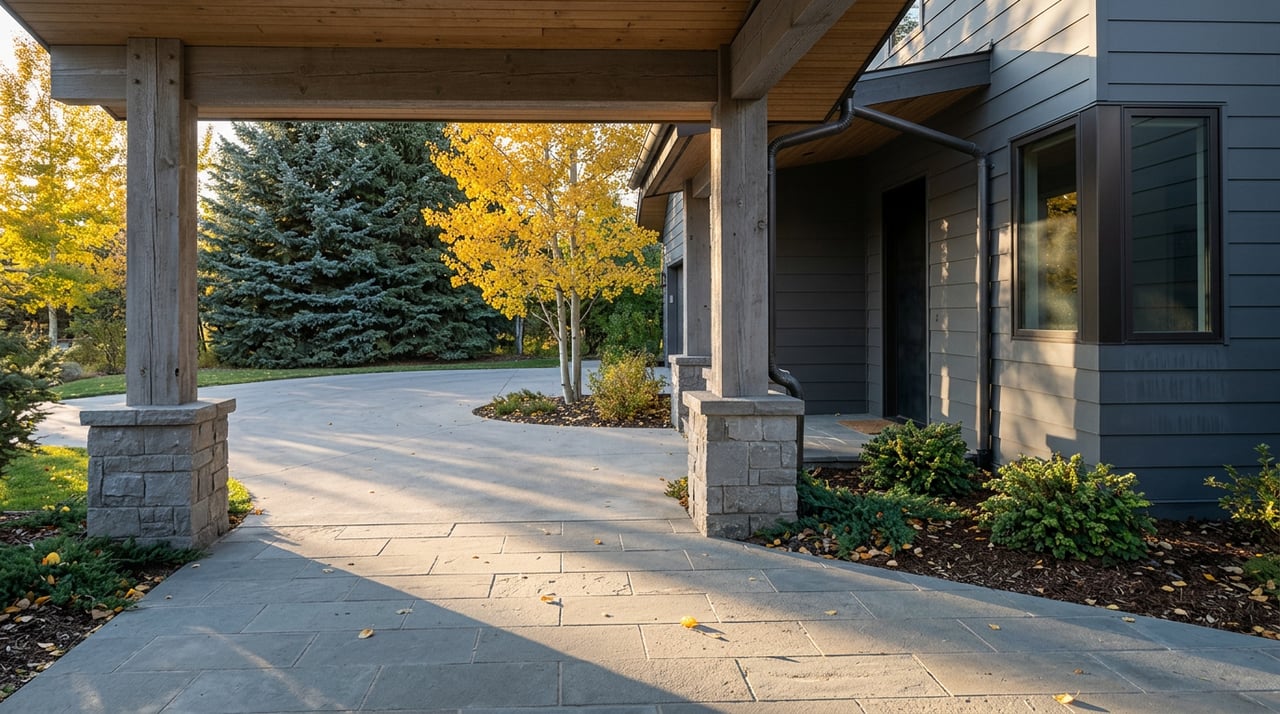
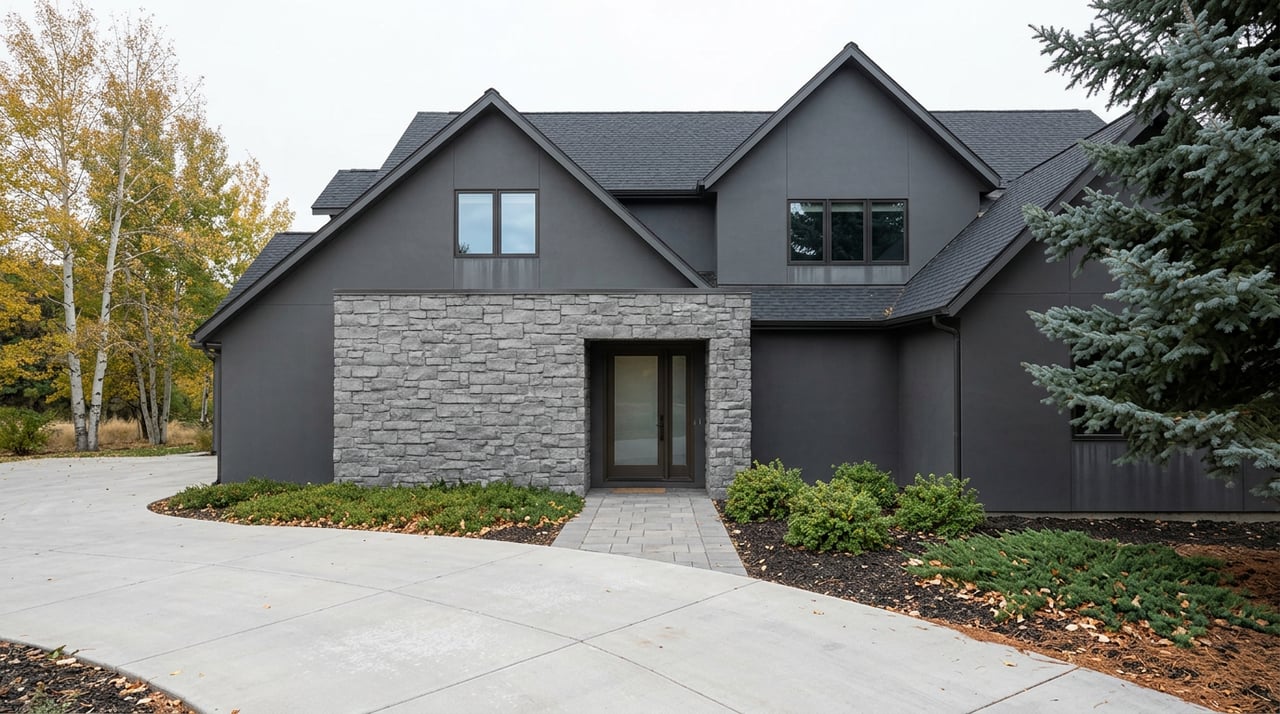
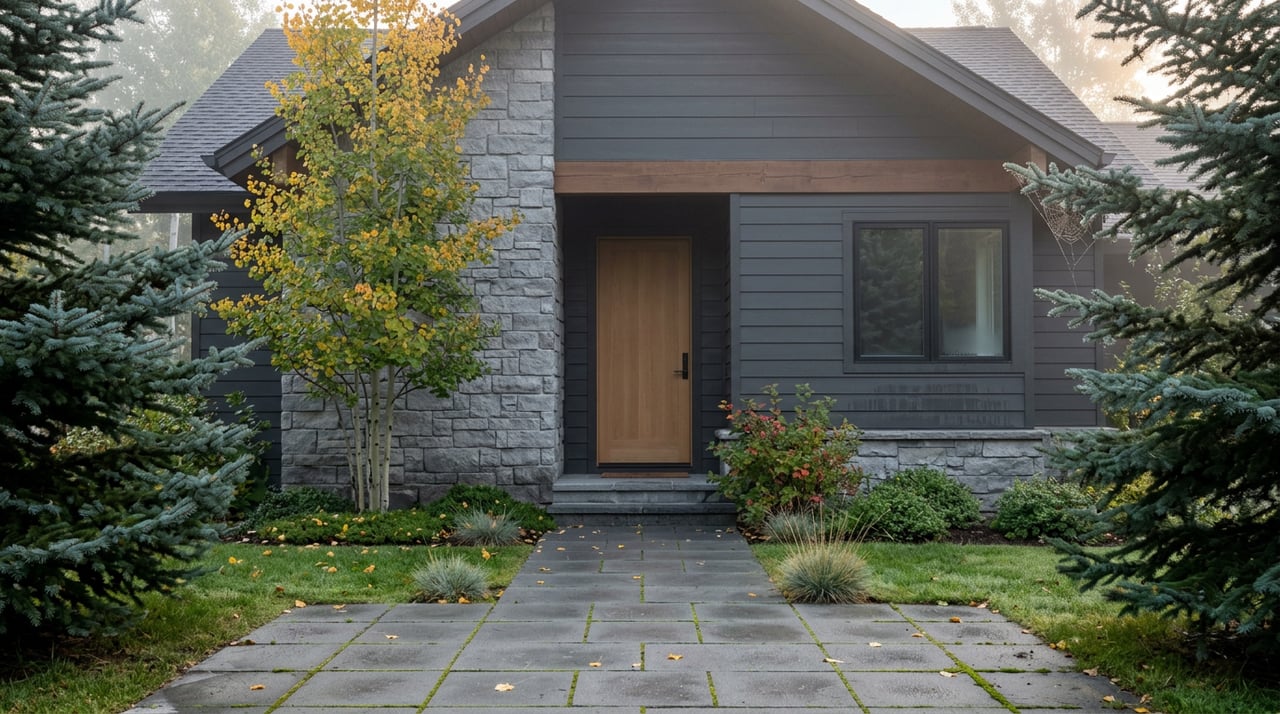
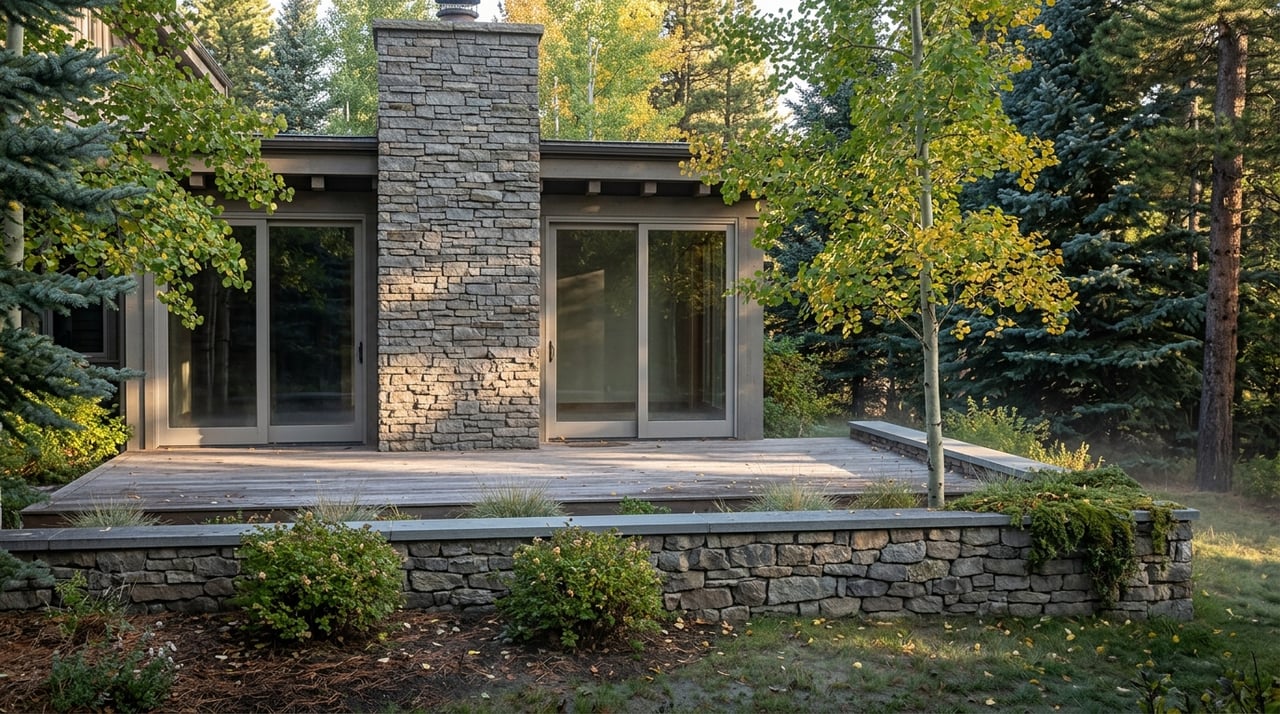
East Vail’s housing stock mixes original 1960s–70s mountain cabins, clusters of townhomes and condos, and newer alpine homes or full‑scale remodels. Lots can feel tucked into the forest with creek corridors, mature trees and hillside cuts. Expect steeper driveways in spots, varied rooflines and many homes that have already seen at least one renovation cycle.
Most of the valley, including East Vail, is served by the Eagle River Water & Sanitation District for drinking water and wastewater. During due diligence, confirm service lines, capacity and any planned projects that might affect timing and costs.
- Water and sewer operations: Eagle River Water & Sanitation District
Renovation and permitting basics
If you plan to update or expand, assume exterior work and many remodels go through the Town’s Design Review Board. The DRB evaluates architecture, materials, landscaping and neighborhood fit, and major structural work can trigger plan review and special inspections. Budget time for design, engineering and Town review.
- Design guidance and submittals: Vail Design Review Board
Zoning controls setbacks, heights, floor area and uses. Do not assume you can add bedrooms, units or decks until you verify the parcel’s zoning and calculate buildable area. Start with the official zoning map and then confirm details with Community Development during early diligence.
- Official zoning map and Title 12 reference: Town zoning map
Mountain hazards you should plan for
Snow loads and winter design
Vail Mountain reports an average snowfall near 354 inches per year. That volume requires roof structures sized for heavy, persistent snow and drifting. When you re‑roof or add on, use a licensed structural engineer to compute site‑specific roof and drift loads, and plan for snow management features like guards, heat trace and durable gutters.
- Average snowfall context: Vail Mountain info
Avalanche, debris flow and rockfall
Vail maintains Geologically Sensitive Area maps that include avalanche, debris flow and rockfall layers. Parts of East Vail sit near historical runouts and smaller funnels, so parcel‑specific mapping really matters. If an overlay touches your lot, request the underlying reports and ask the Town about any recorded mitigation conditions.
- Pull parcel overlays: Town GIS hazard and stream‑setback maps
- Recent activity reference: Colorado Avalanche Information Center field reports
Wildfire and defensible space
Vail and Eagle County use Community Wildfire Protection Plans and active fuels‑reduction programs to guide mitigation. When you evaluate a home, look at roof and soffit materials, vent screening, landscaping near structures and space for equipment access. Ask about local chipping programs, defensible‑space requirements and any grants that can offset work.
- Planning reference: Vail Community Wildfire Protection Plan
Trails and National Forest interface
One of East Vail’s biggest perks is how close you are to trailheads. Gore Creek and Bighorn Creek start in or near the neighborhood, with direct links into the Eagles Nest Wilderness.
- Trailhead overview: Gore Creek Trailhead
Some homes back to White River National Forest. That adjacency preserves open space, but it also means day‑use traffic near popular trailheads and no private development on USFS land. If you are considering new access points or improvements that abut federal land, speak with the district office about the correct permit path.
Short‑term rentals and HOAs
Vail regulates short‑term rentals with registration and permit requirements that can change over time. If rental income is part of your plan, verify the property’s current status, the Town’s rules and your HOA’s covenants before underwriting revenue. Also confirm parking allocations, snow‑removal policies and any quiet hours or user limits.
Buyer due diligence checklist
Use this quick list to structure your early review:
- Verify jurisdiction to confirm you are within Town of Vail and not unincorporated county.
- Pull the Town’s zoning map for your parcel and review setbacks, height and floor‑area rules.
- Download hazard overlays for avalanche, debris flow, rockfall and stream setbacks; ask the Town for supporting reports if any layer touches the lot.
- Confirm ERWSD service, recent water and sewer bills, and hydrant distance; request connection fees if you plan to enlarge the home.
- Hire a roof or structural engineer to evaluate snow‑load capacity, drift patterns and ice‑dam risk.
- If the home sits below gullies or steep bowls, consult an avalanche professional for a path‑specific review.
- Request written snow‑removal policies and costs from the seller or HOA.
- Confirm short‑term rental eligibility and any occupancy or parking constraints before you model income.
- Obtain an insurance quote specific to the property and ask about wildfire and avalanche coverage.
Budgeting for mountain ownership
Snow removal is a real line item in East Vail, especially with steep or long driveways. Plan for plowing, hauling and the occasional need for specialized equipment after big storms. Roof and gutter heat, snow guards and robust drainage often pay off in reduced ice, safer walkways and longer roof life.
Insurance can vary based on wildfire exposure, proximity to hazard zones, structure age and prior claims. Secure a written quote during due diligence so you understand coverage and deductibles. Seasonal travel and delivery logistics also affect costs, so build a realistic annual budget that includes winter contingencies.
Renovation roadmap that works here
- Start with zoning and DRB: verify your allowable envelope, then align design with neighborhood context.
- Engage engineers early: structural for snow loads and lateral, geotechnical for soils and retaining walls, and civil for drainage and erosion controls.
- Coordinate utilities: confirm ERWSD capacity, meter locations and any upgrades that could affect timing or cost.
- Phase smartly: window replacements, roof work and exterior envelopes often pencil first; additions follow once zoning and slope constraints are settled.
- Expect inspections and special reports: plan review and special inspections are common on structural or hillside work.
Ready to explore East Vail with a pro?
If East Vail fits your vision, you deserve an advisor who pairs mountain‑market insight with construction fluency and calm, process‑driven execution. For private tours, feasibility checks and a tailored purchase plan, connect with Patrick Scanlan - Main Site. Schedule a confidential market strategy consultation.
FAQs
What defines East Vail and where is it located?
- East Vail is a recognized Town of Vail neighborhood on the town’s east end along the Gore Creek and I‑70 corridor, offering a quieter, more outdoor‑oriented setting than the core villages.
How does winter affect access to East Vail?
- I‑70 is the main artery and weather can slow or close sections, so plan extra time in storms and track conditions using the Town’s getting here guidance.
What permits apply if I remodel in East Vail?
- Many exterior updates and substantial remodels require Design Review Board approval and Town plan review, so align early with the DRB process and confirm your parcel’s rules on the zoning map.
How do I evaluate avalanche or debris‑flow risk for a specific property?
- Pull the Town’s GIS hazard overlays for the parcel and consult recent CAIC field reports; if any layer touches the lot, request the underlying studies and seek expert review.
What should I know about wildfire mitigation in East Vail?
- Use the Vail CWPP as a planning reference, then evaluate defensible space, roof and vent details, landscaping near structures and local chipping or grant programs.
Which utilities serve East Vail and why does it matter?
- Eagle River Water & Sanitation District provides drinking water and wastewater service, so confirming capacity, lines and fees helps you plan remodel scope and timing; start with ERWSD.
How close are trailheads and what does that mean for owners?
- East Vail sits near major trailheads like Gore Creek; proximity boosts lifestyle value yet can bring day‑use traffic near popular access points, so weigh privacy and parking accordingly.