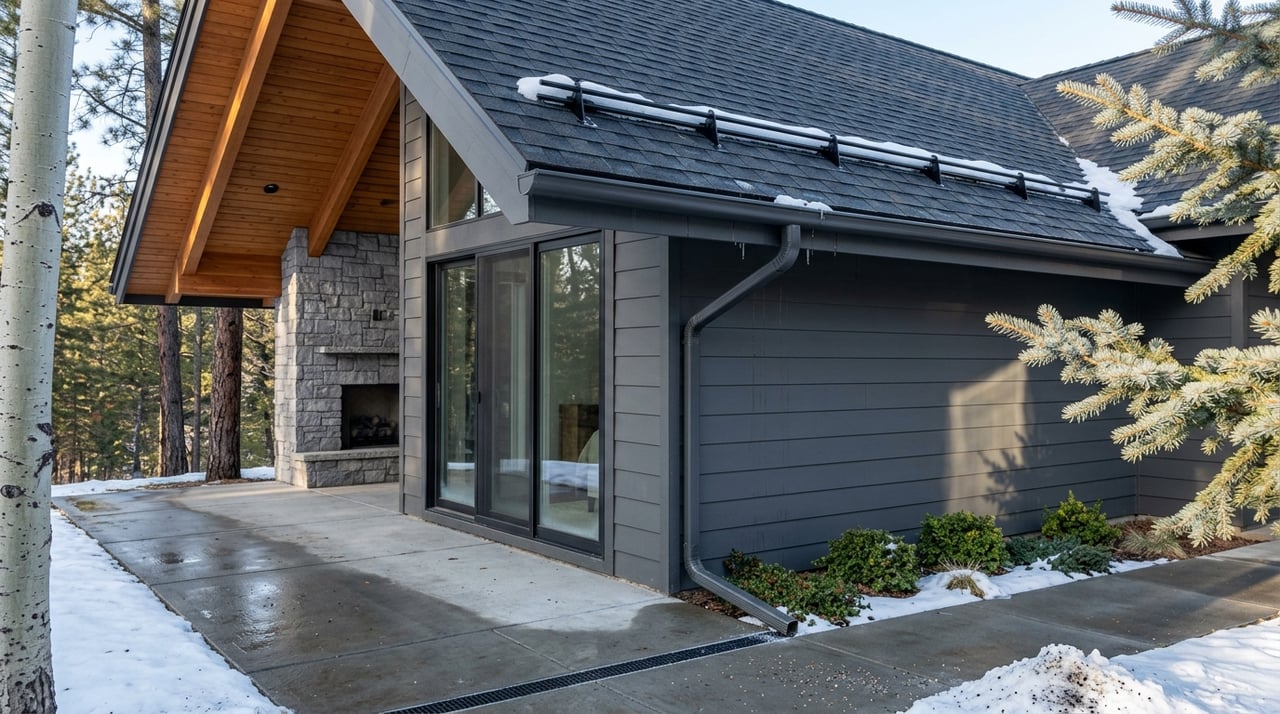
If you own a home in East Vail, design choices are never just about looks. At this elevation, with long winters, frequent freeze-thaw cycles, and heavy snowfall, the details that work well are usually the ones that make your home easier to maintain, safer to access, and more durable over time. Whether you are planning updates, evaluating a purchase, or managing a second home from afar, understanding the local basics can help you protect both day-to-day comfort and long-term value. Let’s dive in.
Why East Vail Homes Need a Different Approach
East Vail sits within the Town of Vail, where mountain conditions shape how homes perform year-round. Vail is at about 8,150 feet, and NOAA climate normals from the local Vail station show average annual snowfall of 189.2 inches, 22.44 inches of precipitation, and 247.5 days each year with minimum temperatures at or below freezing.
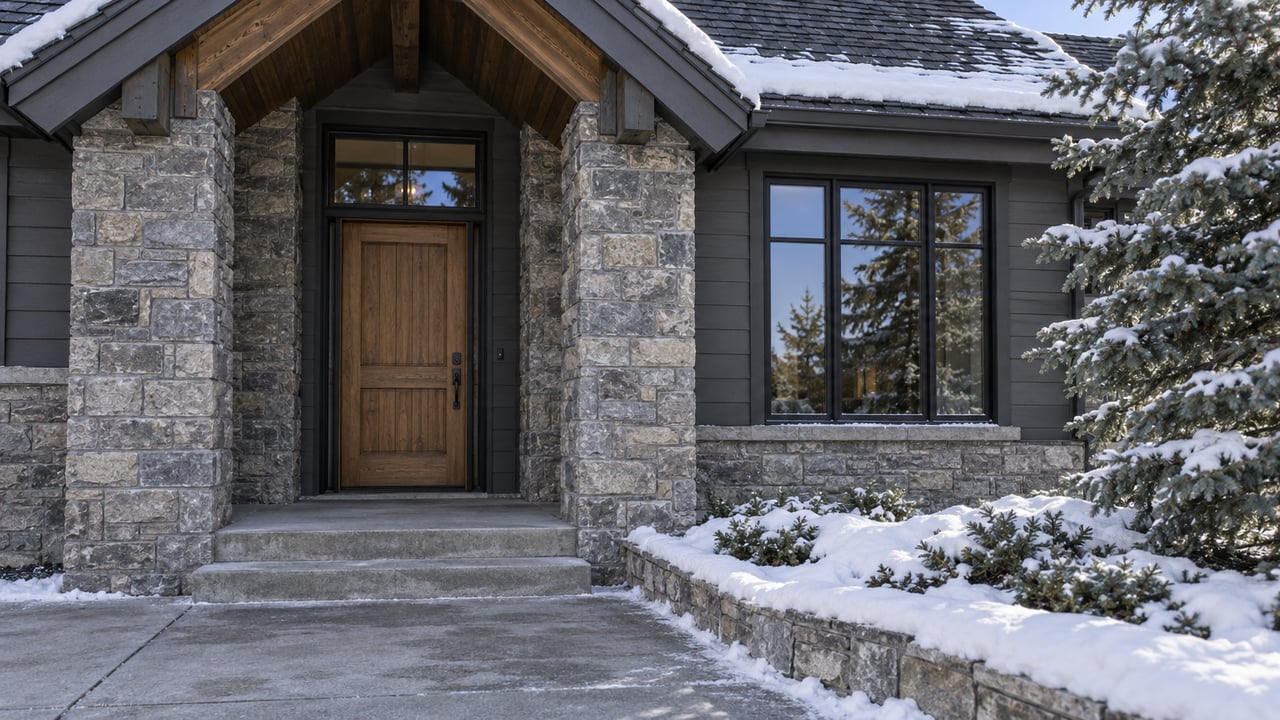
That kind of climate rewards practical design. In East Vail, roofs, drainage, decks, entries, and site materials often work best when they are selected for snow shedding, freeze-thaw durability, and simpler cleanup, not just curb appeal.
Start With the Roof
The roof is one of the most important systems on an East Vail home. It has to handle snow loads, direct melting water away from the structure, and support easier maintenance through long winters and shoulder seasons.
Town fire guidance also places unusual importance on roofing materials. Vail bans new wood shake or shingle roofs and requires Class A roof coverings for new construction and roof renovations, noting that the roof covering is the single most important factor in wildfire survivability.
If you are planning a remodel or evaluating a home, roof geometry matters too. Slopes, overhangs, and drainage paths should be considered for how well they move snow and water away from the home and how manageable they are to clear and maintain.
Roof Details That Matter
When you look at an East Vail property, pay close attention to:
- Class A roofing materials
- Areas where snow may collect or slide
- Gutters that can be accessed and cleaned
- Overhangs that help move water away from siding and entries
- Roof-to-deck and roof-to-walkway relationships
A beautiful roofline can still create maintenance headaches if it drops snow into the wrong places or makes seasonal cleanup difficult.
Build Safer, Simpler Outdoor Areas
Outdoor living is part of the East Vail lifestyle, but the best setups are usually the ones designed with maintenance and fire resistance in mind. Vail’s Fire Free Five guidance recommends a 0-to-5-foot noncombustible zone around buildings, using perennial plants and groundcovers only, with no combustible storage under decks.
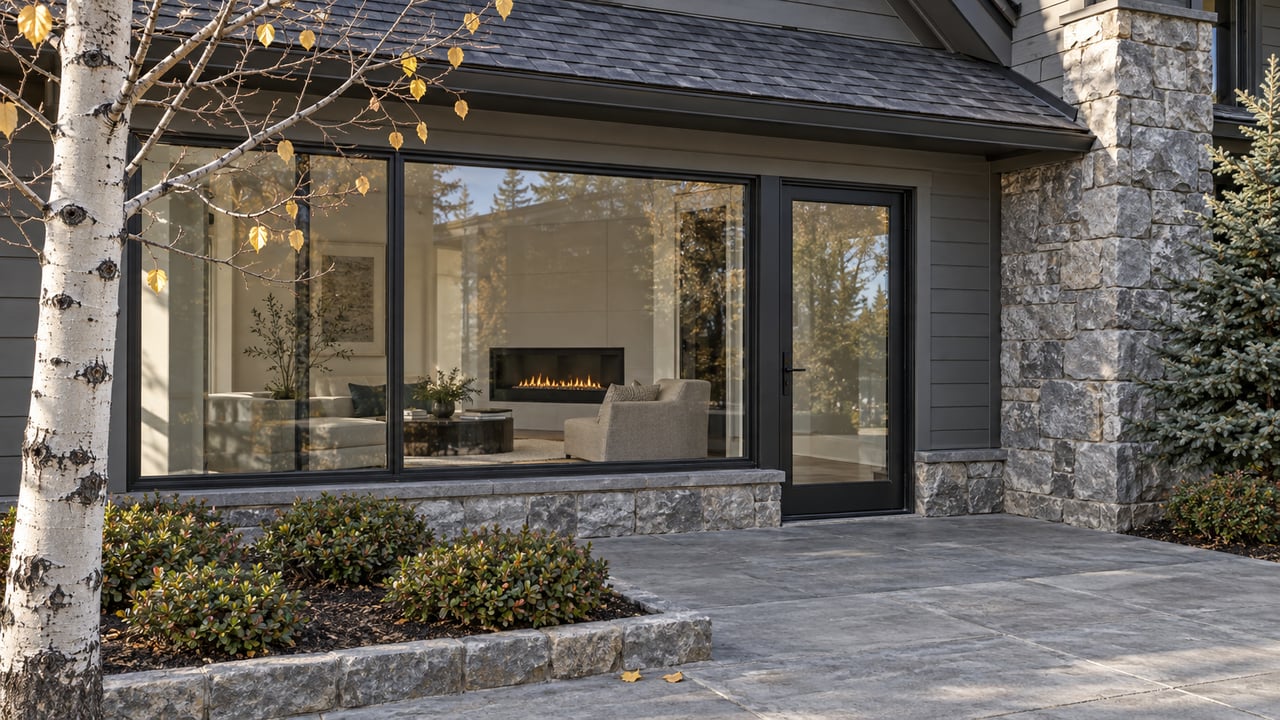
The same guidance identifies materials like gravel, stone, flagstone, concrete pavers, and cobble as good choices near the home. In practical terms, that means stone patios, clean-edged planting beds, and uncluttered entry areas often fit East Vail better than heavily mulched or densely planted spaces close to the structure.
Good Material Choices Near the Home
The town’s landscape guidance specifically supports examples such as:
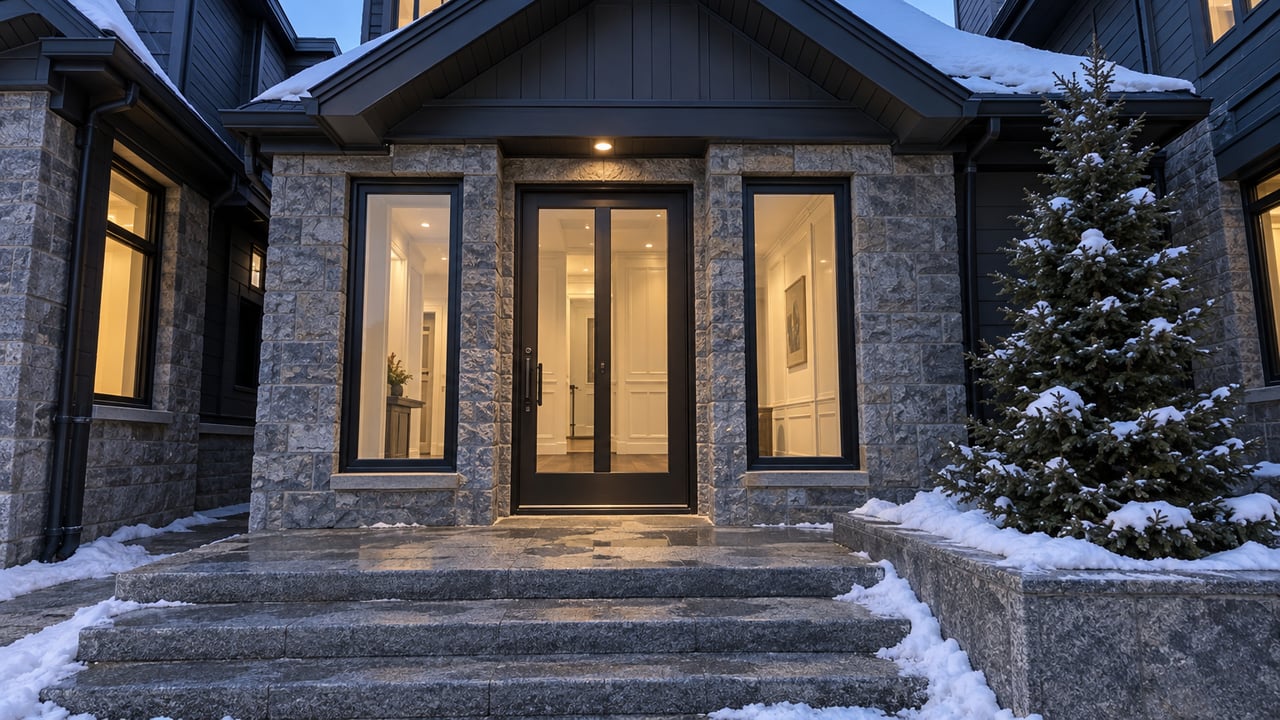
- Stone facades
- Stone patios
- Planters
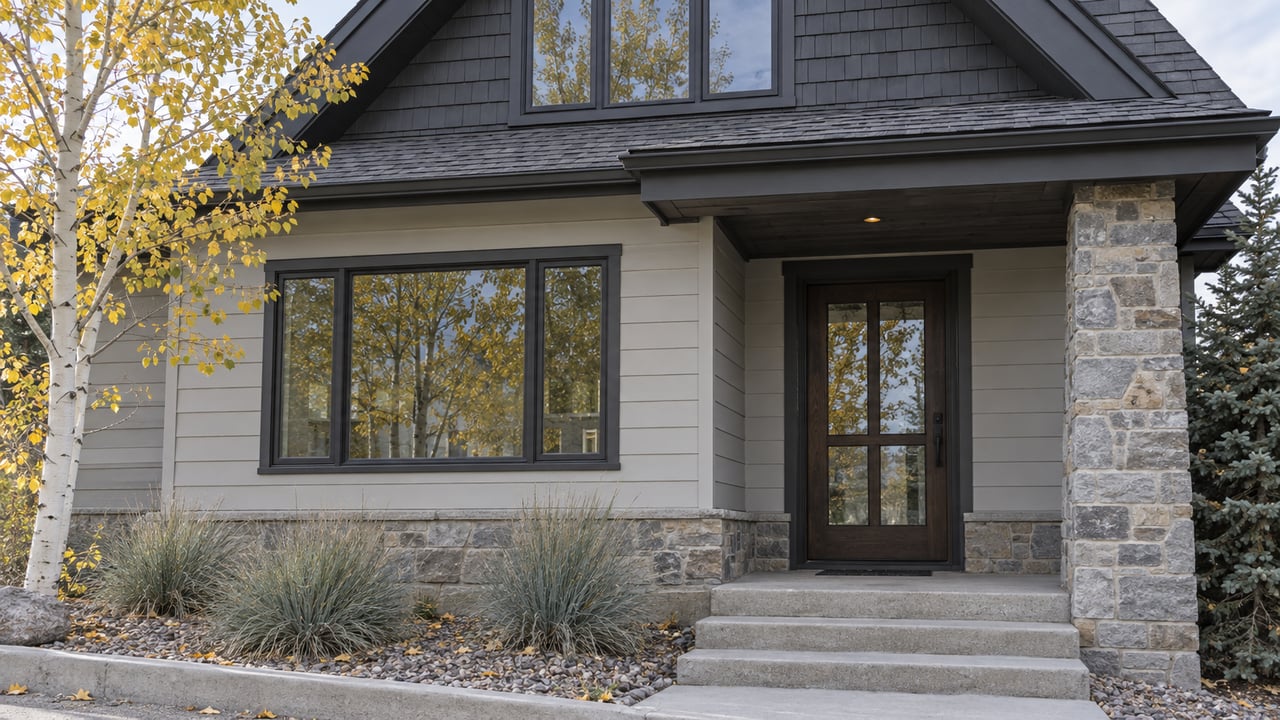
- Concrete patios with planters and cobble
- Stepping-stone walkways with perennials
- Stone buffers with edging
These options can help you create an attractive outdoor setting while keeping upkeep more predictable.
Keep Entries, Decks, and Gutters Clear
In East Vail, maintenance is not a once-a-year task. Vail’s guidance calls for cleaning debris off roofs, decks, and gutters twice per year, along with clearing windblown leaves and branches and removing vegetation under decks.
That matters for both wildfire readiness and winter function. Gutters and the spaces under steps and decks can collect fuel, while debris buildup can also trap moisture and create avoidable wear.
A Simple Exterior Maintenance Rhythm
A practical yearly schedule often includes:
- Late spring cleanup after snow season
- Early fall cleanup before winter weather returns
- Extra checks after major wind events
- Snow-season monitoring of entries, decks, and drainage paths
If you own from out of town, this is where local coordination becomes especially important. Small maintenance items can turn into larger repairs if they are missed through one full season.
Plan for Snow Logistics
Winter weather shapes how you use and maintain an East Vail property. The Town of Vail says homeowners and residents are responsible for clearing their own driveways, parking areas, and sidewalks after a snowstorm.
The town’s Public Works Department maintains streets and coordinates snowplow and sanding operations, but private access points remain the owner’s responsibility. Hired snowplow drivers must also be licensed by the town.
On-street or shoulder parking is not allowed during snow removal operations. That may sound simple, but it becomes a real planning issue for owners, guests, caretakers, and service vendors during active weather.
Winter Readiness Checklist
Before peak snow season, it helps to confirm:
- Who clears the driveway and when
- Whether your snowplow vendor is town-licensed
- How walkways and entries will be kept passable
- Where vehicles can be parked during storms
- How deliveries and service visits will access the property
For second-home owners, a clear snow plan is part of protecting the home, not just convenience.
Flood Awareness Matters in Spring
Snow is the main story in winter, but runoff can become the bigger issue in spring. The Town of Vail says spring runoff typically peaks between mid-May and mid-June.
If your property is near Gore Creek or a drainage corridor, flood readiness should be part of your ownership plan. In East Vail, the town identifies Black Gore Creek near The Heather and Gore Creek at Bridge Road and Lupine Drive as among the area streams most prone to flooding.
The town also provides free sand and bags at the parking lot near the East Vail I-70 interchange. If you own near water or lower-lying drainage areas, it is wise to treat runoff season as an annual operating consideration.
Manage Landscaping for Durability and Safety
In a mountain setting, landscaping should do more than look polished in summer. It should also support fire resistance, manageable cleanup, and easier access around the house.
Vail’s Fire Free Five guidance recommends perennial flower beds and groundcover in the protected zone near the home, while discouraging combustible storage under decks and encouraging noncombustible materials close to structures. The town also advises managing native grasses and pruning branches back from siding, overhangs, and roofs.
What Low-Maintenance Landscaping Looks Like
In East Vail, a durable landscape plan often means:
- Stone or gravel close to the home
- Simple foundation plantings
- Perennial beds rather than heavy mulch zones
- Clear separation between vegetation and the structure
- Open, easy-to-clean spaces around decks and entries
This kind of layout tends to be easier to maintain through changing seasons and easier to reset after storms.
Wildlife Rules Are Part of Ownership
Wildlife management is not optional in Vail. The town requires wildlife-resistant trash containers for residential and commercial properties and limits trash setout to 6 a.m. through 7 p.m. on pickup day.
The town also prohibits intentional or unintentional feeding of wildlife through pet food, bird feeders, or garbage. For homeowners, this means exterior storage, waste handling, and routine property checks are all part of basic home management.
If you are setting up a second home or preparing a property for guest use, these rules should be built into your operating plan from day one.
Use Local Contractors and Follow Local Review
East Vail remodels and repairs require more than mountain construction experience. Vail requires contractor registration before construction, excavation, or permit applications, and exterior work must receive Design Review Board approval before permit submission.
The town’s permit portal also identifies re-roofs for single-family and duplex homes as an expedited permit category. Even when the scope seems straightforward, it helps to work with vendors who understand local process as well as local weather conditions.
Before You Start Exterior Work
Confirm these basics first:
- Is the contractor registered with the Town of Vail?
- Does the project need exterior review approval?
- Will winter access affect timing or staging?
- Is parking available for crews and materials?
This matters because parking and access in Vail are managed seasonally, and some lots prohibit overnight parking. Scheduling can affect cost, timing, and day-to-day logistics.
Transit and Access Affect Home Projects Too
East Vail is more connected by transit than many mountain neighborhoods. The town’s free bus system runs daily from 6 a.m. to 2 a.m., and the East Vail route and Hiker Express shuttle help connect residents and visitors through the area.
That may not sound like a design topic, but access matters when you are planning service calls, meeting contractors, or coordinating seasonal use. In a neighborhood where parking and mobility can change with the season, convenience often comes from planning ahead.
Think Like a Property Manager
The homes that tend to perform best in East Vail are usually the ones managed with a clear, practical mindset. Fire-safe landscaping, durable surfaces, snow operations, wildlife-resistant storage, runoff awareness, and reliable local vendors all play a role in preserving the property.
This is especially true for second-home owners and absentee sellers. A technically sound home is not just easier to live with. It is also easier to maintain, easier to present well, and often easier to evaluate during a sale.
If you are buying, selling, or planning improvements in East Vail, working with an advisor who understands design, construction realities, and local review can help you make smarter decisions with fewer surprises. To discuss your property or goals, Patrick Scanlan - Main Site.
FAQs
What roofing rules apply to East Vail homes?
- The Town of Vail bans new wood shake or shingle roofs and requires Class A roof coverings for new construction and roof renovations.
What outdoor materials are easiest to maintain in East Vail?
- Stone, gravel, flagstone, concrete pavers, and cobble generally fit local fire guidance and are typically easier to maintain in snow and freeze-thaw conditions.
How often should East Vail homeowners clean roofs and gutters?
- Vail’s guidance calls for cleaning debris off roofs, decks, and gutters at least twice per year, plus additional cleanup after major wind or snow events.
What flood areas should East Vail homeowners watch in spring?
- The Town of Vail identifies Black Gore Creek near The Heather and Gore Creek at Bridge Road and Lupine Drive as among the area streams most prone to flooding, with runoff usually peaking from mid-May to mid-June.
What wildlife rules apply to residential properties in Vail?
- Residential properties must use wildlife-resistant trash containers, trash should be set out only from 6 a.m. to 7 p.m. on pickup day, and intentional or unintentional wildlife feeding is prohibited.
Can any contractor work on an East Vail home project?
- No. Vail requires contractor registration before construction, excavation, or permit applications, and exterior work must receive Design Review Board approval before permit submission.