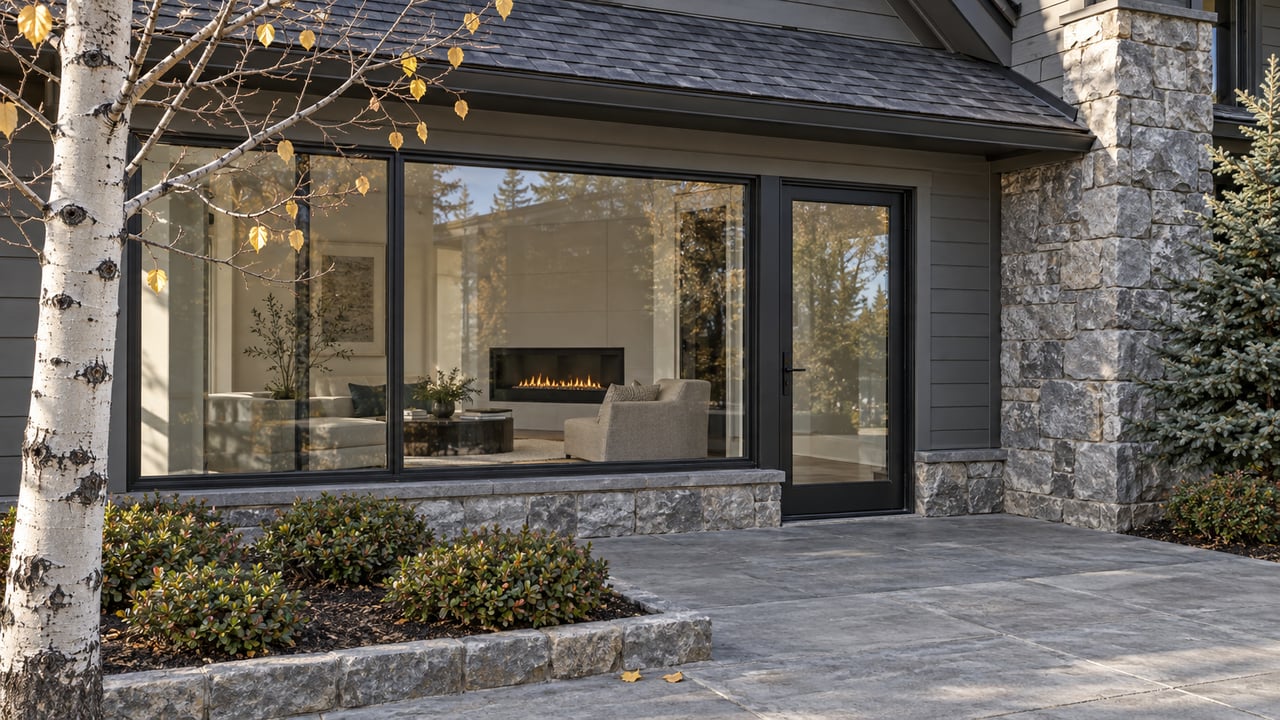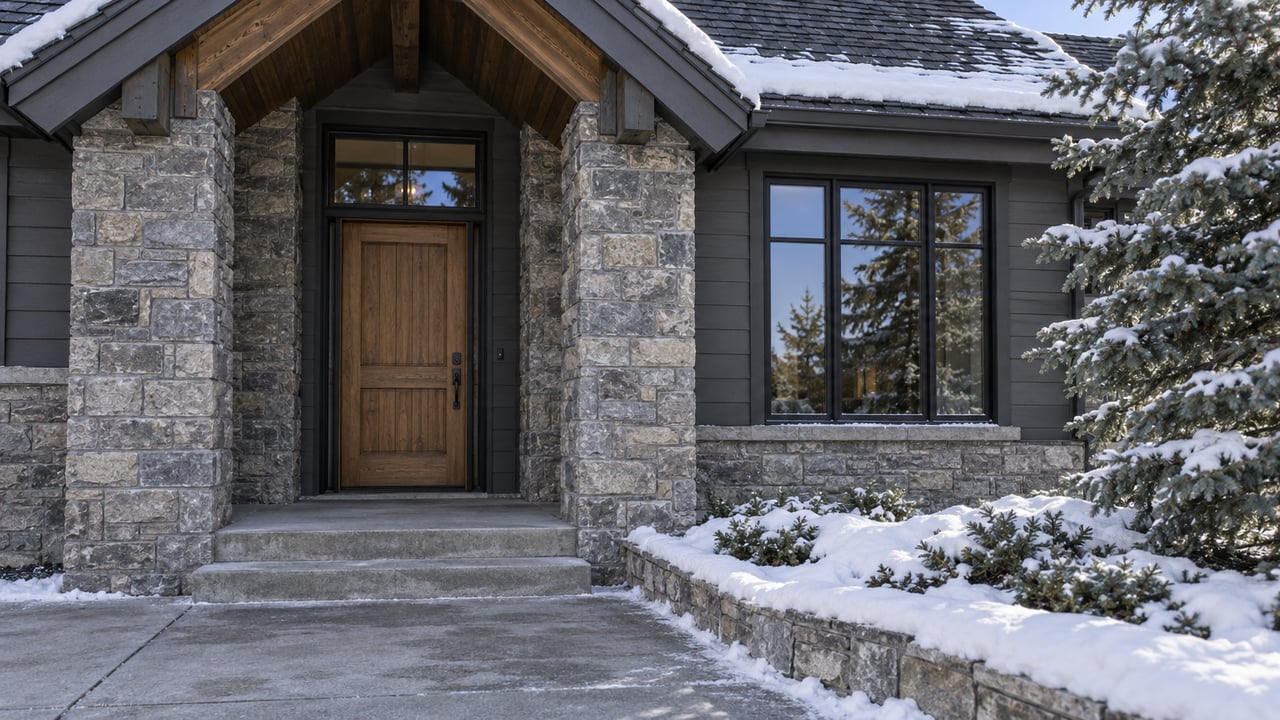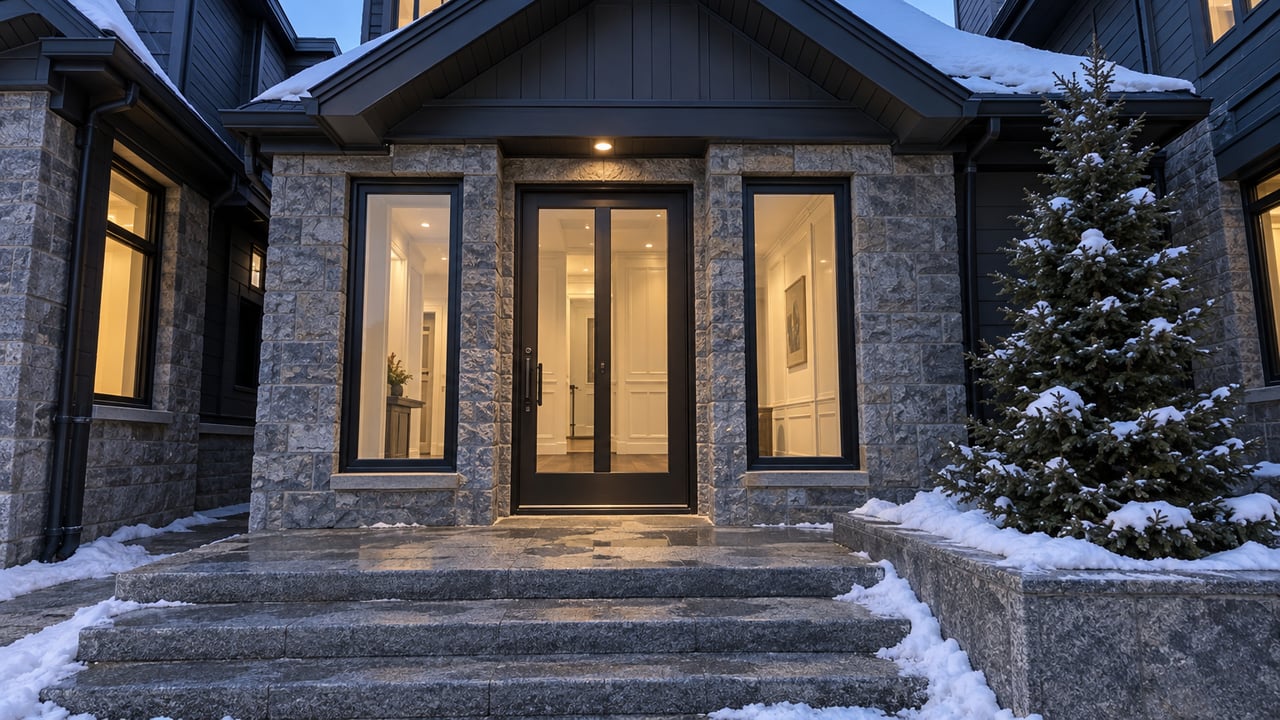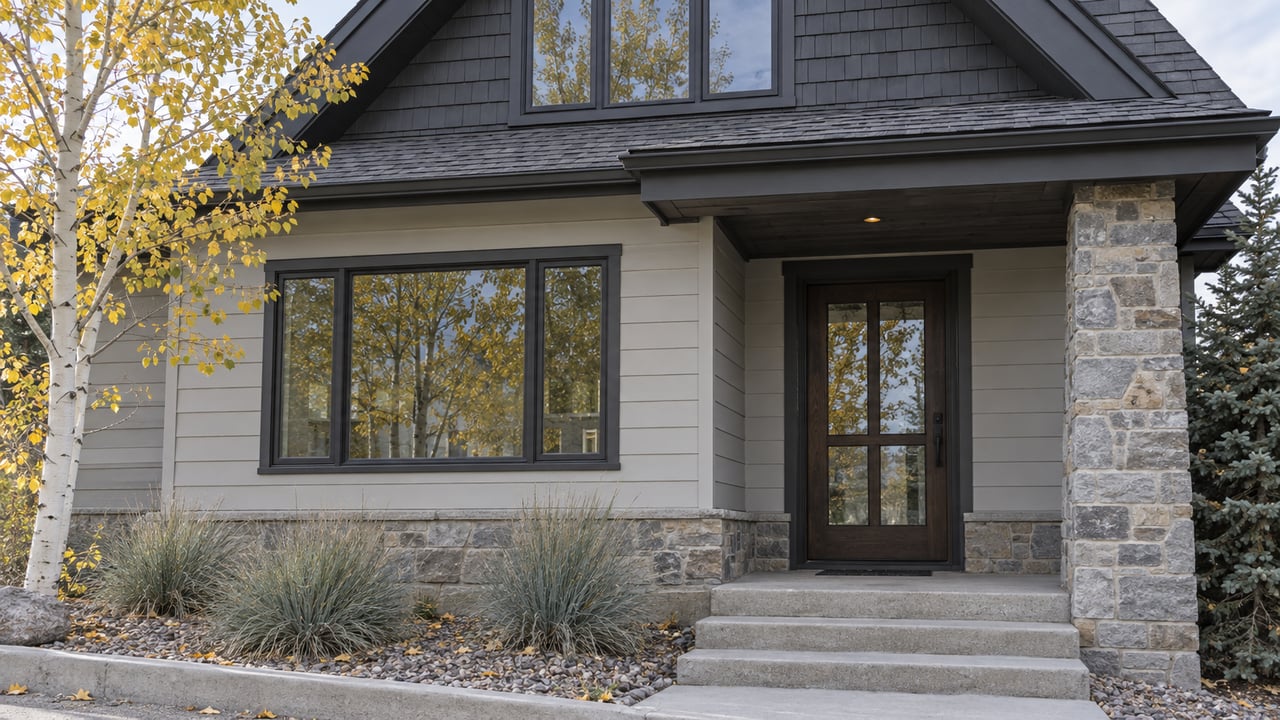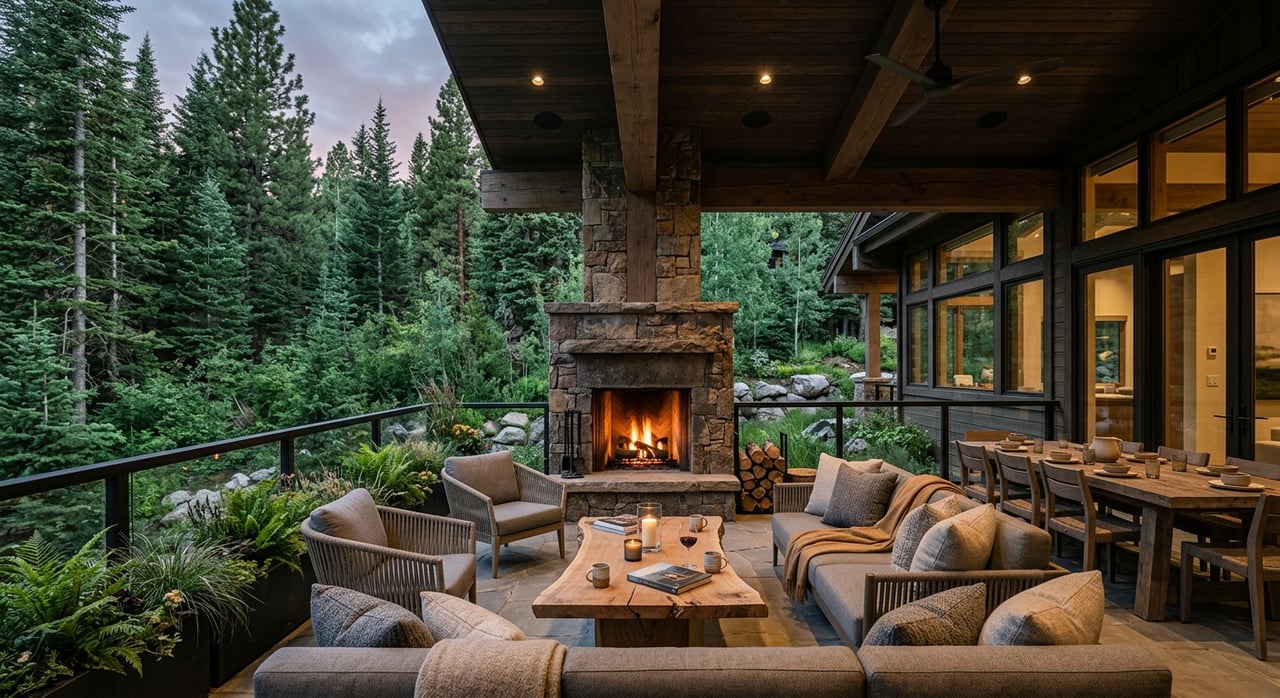
If you are considering a luxury home in Cordillera, design is not just about style. It is about getting the site, neighborhood, and review process right from the start. Whether you plan to buy, build, remodel, or sell, understanding how Cordillera homes respond to land, views, climate, and community standards can help you protect value and avoid costly missteps. Let’s dive in.
Why Cordillera Design Starts With the Land
Cordillera spans roughly 7,000 acres and includes four distinct neighborhoods: The Divide, The Ranch, The Summit, and The Territories. Elevations range from about 7,100 to 9,400 feet, which means homes can sit in very different physical settings even within the same community.
That matters because Cordillera’s design philosophy is shaped by slope, vegetation, orientation, views, weather, and climate. Homes are expected to fit the land, respond to solar exposure, minimize energy loss, and support the broader mountain environment, including dark skies and wildlife habitat.
Cordillera also includes more than 3,000 acres of private open space and trail access. In practical terms, that means decks, patios, covered outdoor areas, and thoughtful indoor-outdoor flow are not just luxury extras. They are part of how many owners actually use the property.
Cordillera Has Four Design Submarkets
One of the biggest mistakes buyers and sellers can make is treating Cordillera like a single design market. It is better understood as four neighborhood-level submarkets, each with its own architectural language and expectations.
The Divide: Formal and European-Inspired
The Divide draws from Belgium, Catalonia, and southern and central France. The guidelines emphasize simple repetitive forms, symmetrical facades, and symmetrical floor plans, all expressed through high-quality materials and detailing.
For you as a buyer or owner, that often means the strongest homes in The Divide feel composed and disciplined from the street. Ordered massing, refined finishes, and balanced exterior design tend to fit this neighborhood better than overly rustic or highly experimental forms.
The Ranch: Colorado Heritage and Material Depth
The Ranch is rooted in Colorado ranch architecture and Cordillera’s working-ranch history. The design language leans on western mountain heritage, natural materials, and strong structural expression, especially stone, heavy timber, and large-scale openings handled in a traditional way.
This is also one of the clearest examples of neighborhood-specific finish expectations. Ranch guidance rejects lower-quality or out-of-theme finishes such as stucco, asphalt or fiberglass shingles, and imitation stone or brick.
Window design is especially important here. Traditional rectangular window rhythms, true divided-light glazing, deep reveals, and wood-cased openings help create the grounded, heritage-driven look that aligns with The Ranch.
The Summit: Mountain-Modern With Site Sensitivity
The Summit and The Territories are described by the community as trending toward mountain-modern architecture and design. At the same time, The Summit is highly responsive to landscape character, with guidance that varies between open sage areas and forested aspen or conifer settings.
That means The Summit can be one of the most adaptable neighborhoods for a more contemporary mountain home. But it also means the best design choices depend heavily on where the home sits, how it meets the terrain, and how materials and forms relate to the surrounding vegetation and exposure.
The Territories: Legacy Estate Thinking
The Territories operate at a very different scale, with expansive lots described as 40-plus acres on the neighborhood page and organized in the supplemental design guide around a four-acre homestead area with the balance preserved as open land, trails, wildlife corridors, and drives.
In this setting, the lot itself becomes part of the design. The main home, outbuildings, access roads, preserved land, and outdoor spaces should read as one coordinated system rather than as isolated features.
What Luxury Buyers Often Want in Cordillera
Current luxury design preferences point toward homes that are ready to use, flexible, and connected to outdoor living. Recent survey data shows continued interest in open and adaptable floor plans, larger or multiple living spaces, main-level accessibility, and finished flexible areas.
Outdoor living remains especially important. Broader luxury survey data also points to demand for pools, outdoor kitchens, and design elements like glass walls or retractable doors that create a stronger connection between interior and exterior spaces.
In Cordillera, those trends often translate into a mountain-resort floor plan that works well for second-home living. Features that frequently make sense include:
- A great room that opens to a covered deck or terrace
- A main-level primary suite or easy day-to-day circulation
- A mudroom or gear room for mountain living
- Guest suites that support extended stays
- Flexible rooms for office, media, bunk, or wellness use
The key point is that luxury value here is not just about square footage. Homes tend to stand out when they feel turnkey, visually coherent, and clearly connected to the site.
Finish Levels Matter More Than Size Alone
Cordillera’s design philosophy favors durable, high-quality, locally resonant materials. The guidelines emphasize materials that convey strength and permanence, along with roof forms that can handle heavy snow loads and building forms that step with the terrain.
That means finish-level decisions should support both performance and neighborhood fit. In The Ranch, that may point toward heavier use of stone and timber. In The Divide, more refined European-inspired detailing may feel more appropriate. In The Territories, indigenous materials and textures that blend into the landscape tend to support the intended estate character.
If you are comparing homes as a buyer, this is where builder literacy matters. Two homes with similar square footage can perform very differently in the market depending on material authenticity, design consistency, and how well the house feels rooted to its setting.
Build and Remodel Plans Need Review Early
Cordillera’s Design Review Board reviews architectural character, site planning, building materials, and landscaping. New construction, exterior renovations, and landscape or exterior modifications must comply with the design guidelines and receive DRB approval.
The approval list is broad. It includes new homes, additions, building-envelope amendments, decks, patios, grading, retaining walls, roof replacement, solar arrays, paint or stain changes, exterior lighting, fencing or dog runs, window and door changes, and healthy tree removal.
The current guidelines took effect on January 1, 2026, and DRB decisions are valid for six months from the original decision date. If you are buying a home with plans to remodel later, that timing and process should be part of your due diligence from day one.
Landscaping, Irrigation, and Wildfire Preparedness
Outdoor improvements in Cordillera come with real constraints. The community states that 2026 landscape projects may not increase a property’s overall irrigation demand or total irrigated area.
That rule can shape how you think about lawns, planting plans, outdoor gathering areas, and future redesigns. If a property’s value story depends on a major landscape transformation, it is important to understand those limits before you buy or list.
Wildfire mitigation is also part of ownership. Cordillera works with Eagle River Fire Protection District and Eagle Valley Wildland on residential wildfire mitigation, including free home assessments on a three-year schedule and recommendations for home hardening and defensible space.
For buyers and sellers alike, this means exterior materials, vegetation management, and site planning are not just aesthetic decisions. They also affect long-term resilience and, in many cases, future renovation strategy.
What Buyers Should Evaluate Before Making an Offer
If you are buying in Cordillera, future potential matters almost as much as current appearance. A beautiful home can still present limitations if the site, neighborhood standards, or review process restrict the changes you may want later.
Before you move forward, it helps to evaluate:
- Which neighborhood architectural vocabulary the home belongs to
- How the home sits on the lot and responds to slope and views
- Whether outdoor living areas are well integrated into the site
- The authenticity and durability of materials and finishes
- The likely path for any planned exterior or landscape changes
- Irrigation and landscape constraints that may affect redesign plans
- How wildfire mitigation may influence future exterior work
In a market like Cordillera, renovation potential is rarely just about adding square footage. It is usually about what the site, guidelines, and neighborhood character will support.
What Sellers Should Keep in Mind
If you are preparing to sell a Cordillera property, buyers will often respond best to a home that feels intentional and ready to enjoy. In this market, the story is usually stronger when the home’s architecture, materials, outdoor spaces, and site placement all feel aligned.
That can be especially important for absentee owners. A calm, process-driven strategy can help you identify which repairs or updates are likely to strengthen marketability, and which ideas may create friction because they trigger design review or conflict with neighborhood character.
For many luxury buyers, confidence matters as much as cosmetics. A home that presents clearly, shows thoughtful stewardship, and fits Cordillera’s design expectations can stand apart from listings that feel generic or unresolved.
Why Technical Guidance Matters in Cordillera
Cordillera is a place where luxury design and real estate value are tightly linked. The best decisions usually come from understanding not only the finish palette and floor plan, but also the neighborhood identity, site conditions, review requirements, and future improvement path.
That is why buyers, sellers, and investors often benefit from guidance that goes beyond surface-level aesthetics. In a market shaped by land, architecture, and process, technical fluency can help you see both opportunity and risk more clearly.
If you are evaluating a Cordillera purchase, planning a remodel, or positioning a property for sale, Patrick Scanlan - Main Site offers a process-driven, locally informed approach built for complex luxury decisions. Schedule a confidential market strategy consultation.
FAQs
What makes Cordillera home design different from other luxury communities?
- Cordillera includes four distinct neighborhoods with different architectural expectations, and homes must also respond to site conditions like slope, vegetation, views, weather, and climate.
What architectural style fits The Divide in Cordillera?
- The Divide is guided by European influences from Belgium, Catalonia, and southern and central France, with an emphasis on symmetry, simple forms, and refined materials.
What design features are typical in The Ranch at Cordillera?
- The Ranch emphasizes Colorado ranch architecture, natural materials such as stone and heavy timber, and traditional window detailing with strong structural character.
Can you remodel a home in Cordillera after you buy it?
- Yes, but many exterior, landscape, and structural changes require approval from Cordillera’s Design Review Board and must comply with the current design guidelines.
What should buyers review before purchasing a Cordillera luxury home?
- Buyers should look closely at neighborhood design standards, site placement, material quality, outdoor living integration, landscaping limits, and the likely approval path for any future changes.
Are outdoor living spaces important in Cordillera home design?
- Yes, Cordillera’s open-space setting and trail-oriented lifestyle make decks, patios, covered outdoor areas, and indoor-outdoor transitions an important part of how many homes are designed and used.
How does wildfire preparedness affect Cordillera properties?
- Cordillera coordinates with local fire partners on home assessments, defensible space, and home-hardening recommendations, so exterior materials, vegetation management, and site planning all play a role.