If your West Vail home is more than a few decades old, you may be asking the right question before listing: what should you actually update, and what should you leave alone? In a premium market, buyers still notice condition, comfort, and first impressions right away. The good news is that you do not need a full remodel to make your property more competitive. With the right pre-listing strategy, you can focus on upgrades that improve presentation, support value, and avoid unnecessary cost. Let’s dive in.
Why smart upgrades matter in West Vail
West Vail is part of an established area of Vail with older housing stock, transit access, and close proximity to parks, trails, recreation paths, and streams, according to the Town of Vail neighborhood information. The town’s West Vail planning documents also note that many homes and units in the area are more than 30 years old and may need aesthetic enhancements and upgrades to maintain appeal. That matters when you are preparing to sell.
Condition also matters because buyers in this market are paying close attention. In Eagle County’s January 2026 market update, the median sales price for single-family homes was $2.475 million, average days on market were 93, and sellers received 96.7% of list price. In other words, this is still a strong market, but presentation and perceived upkeep can influence how quickly your home sells and how confidently buyers write.
Focus on visible, high-impact updates
If you are planning to sell in the next 6 to 18 months, start with the projects buyers see first. In older mountain homes, visible maintenance issues can create the impression that more costly deferred work may be hiding below the surface.
The best early wins often include:
- Fixing moisture intrusion issues
- Repairing drafty doors
- Refreshing tired paint
- Replacing broken or dated hardware
- Addressing worn exterior surfaces
- Cleaning up any obvious maintenance items
These are not flashy projects, but they are often the difference between a home that feels cared for and one that feels like work. In West Vail and Cascade-area properties, that distinction can shape buyer confidence from the first showing.
Prioritize curb appeal with proven ROI
If you want upgrades with strong resale potential, regional data points to a few clear leaders. The 2025 Mountain Region Cost vs. Value Report shows that smaller exterior projects often outperform larger renovations when it comes to recapturing cost.
Here are several standout projects from the Mountain Region report:
| Project | Regional Cost Recouped |
|---|---|
| Garage door replacement | 236.1% |
| Steel entry door replacement | 186.3% |
| Manufactured stone veneer | 161.8% |
| Vinyl siding replacement | 107.2% |
| Fiber-cement siding replacement | 103.9% |
| Wood deck addition | 97.3% |
For many West Vail sellers, that supports a simple strategy: improve the exterior presentation before considering anything large or structural. A tired front entry, worn garage door, or dated facade can make an older property feel less turnkey, even when the interior is solid.
Keep kitchen updates restrained
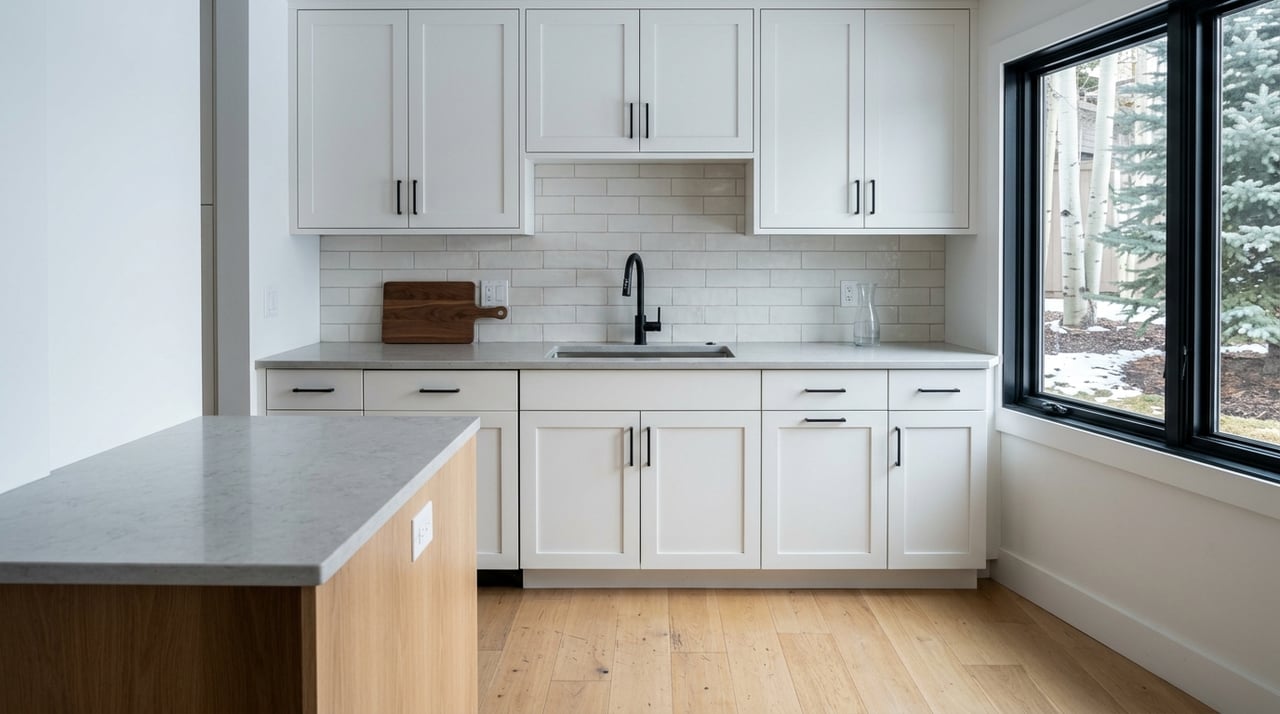
A kitchen refresh can absolutely help, but scope matters. The same Mountain Region report shows a minor kitchen remodel recouping 110.3% of cost, while a major kitchen remodel recoups only about 51.5%.
That is a major gap, and it has practical implications for sellers. If you are listing soon, it is often smarter to focus on selective improvements rather than a complete overhaul.
A restrained kitchen update may include:
- Cabinet hardware replacement
- Fresh paint where appropriate
- Updated lighting
- Appliance replacement if existing units are clearly dated or failing
- Countertop or backsplash improvements if they materially improve appearance
The goal is not to create a brand-new custom kitchen. The goal is to make the space feel clean, functional, and in step with buyer expectations for the price point.
Improve comfort with envelope upgrades
In a mountain climate, comfort is part of marketability. According to NOAA climate normals for Vail referenced in the research, January temperatures average 28.5°F for highs and 6.6°F for lows, with annual precipitation of 22.44 inches. That makes draft control, insulation, and moisture performance especially relevant.
The U.S. Department of Energy recommends starting with a home energy audit and then prioritizing air sealing, insulation, moisture control, and ventilation. ENERGY STAR guidance also notes that homeowners should typically insulate and air seal before replacing windows.
For older West Vail homes, especially those with aging building envelopes, these improvements can make a house feel better immediately during tours and inspections. Buyers may not always ask for technical details up front, but they notice rooms that feel warmer, quieter, and less drafty.
Consider window solutions carefully
Window replacement can be expensive, so it helps to match the fix to the problem. If your home has older single-pane windows, the Department of Energy notes that ENERGY STAR certified storm windows can save about 20% on annual heating and cooling bills and may pay back in roughly three years.
ENERGY STAR also states that certified windows, doors, and skylights can reduce heating and cooling costs by up to 13% nationally. But for sellers, full replacement is not always the best first move. If existing windows are still serviceable, a less invasive option may improve comfort and presentation without the cost or disruption of a full replacement project.
This is where a measured pre-listing plan can protect your net proceeds. Instead of replacing everything, you can solve the issues buyers are most likely to notice.
Be cautious with large additions
It can be tempting to think bigger is better before listing, especially in a luxury market. But the regional numbers suggest otherwise.
The Mountain Region Cost vs. Value data shows:
- Accessory dwelling unit projects recoup about 45.5%
- Major kitchen remodels recoup about 51.5%
- Backyard patios recoup about 38.3%
That does not mean these projects never make sense. It means they usually do not make sense if your goal is to list in the near term and maximize resale efficiency.
A modest, well-integrated deck can still be reasonable, especially since wood deck additions recoup 97.3% regionally. But oversized expansions or major reconfigurations often add complexity without delivering the same return.
Verify permits and code issues early
Before you market any improvements or layout changes, make sure the details are correct. The Town of Vail Building Department states that permits are required when a structure is altered or improved, and exterior work must first receive Design Review Board approval before permit submission.
This is especially important if you are thinking about finishing lower-level space, changing bedroom count, adjusting driveways, or altering exterior elements. The town also notes that Vail has adopted the 2024 building, residential, fire, energy, plumbing, mechanical, fuel gas, and existing building codes, plus the 2023 National Electrical Code.
For bedroom marketing, verify emergency escape and rescue opening requirements before calling a room a bedroom. Opening size, sill height, and access matter. Parking should also be reviewed early, especially if a project affects driveway layout or access.
A practical seller checklist
If you want a simple framework, here is a smart order of operations for West Vail pre-listing work.
Start with deferred maintenance
Fix what a buyer will notice in the first five minutes. That includes water issues, worn finishes, sticking doors, broken hardware, and anything that makes the home feel neglected.
Refresh the exterior first
Focus on the entry door, garage door, paint condition, siding wear, and any visibly tired exterior details. These updates can have an outsized effect on buyer perception.
Make the home feel more comfortable
If the house is drafty or uneven in temperature, look at air sealing, insulation, and practical window solutions. In an older mountain home, comfort supports value.
Update kitchens selectively
Choose cosmetic and functional improvements over a major remodel unless there is a compelling property-specific reason to do more. Small upgrades tend to perform better for resale.
Check code and approval requirements
If any project changes the exterior, bedroom count, lower-level use, or parking layout, verify permitting and approval requirements before spending money.
The right strategy is usually measured, not dramatic
In West Vail, smart pre-listing upgrades are usually the ones that make your home feel well-kept, comfortable, and easy to buy. Buyers often respond best to properties that show clear pride of ownership without signaling a recent over-improvement that may not match market return.
That is especially true in an established mountain neighborhood where many homes have strong underlying location appeal but vary widely in condition and updates. A disciplined pre-listing plan can help you spend where it counts and avoid projects that are unlikely to improve your outcome.
If you are preparing to sell in West Vail or Cascade, Patrick Scanlan - Main Site can help you build a targeted pre-listing strategy based on your home’s condition, likely buyer profile, and local market positioning. Schedule a confidential market strategy consultation.
FAQs
What pre-listing upgrades usually matter most for West Vail sellers?
- Visible maintenance fixes, exterior refreshes, draft reduction, and restrained kitchen updates are often the most practical improvements before listing.
Should you remodel the whole kitchen before selling a West Vail home?
- Usually not. Regional cost-versus-value data shows minor kitchen remodels tend to outperform major kitchen overhauls for resale recapture.
Are energy upgrades worth it before listing a West Vail property?
- Often, yes. Air sealing, insulation, moisture control, and practical window improvements can improve comfort and make an older mountain home feel more turnkey.
Do you need permits for pre-listing work in Vail?
- Many projects do require permits, and exterior work must receive Design Review Board approval before permit submission, according to the Town of Vail.
Should you add a patio or ADU before selling in West Vail?
- Use caution. Regional data suggests large additions like patios and ADUs often recoup much less than smaller, more visible upgrade projects.