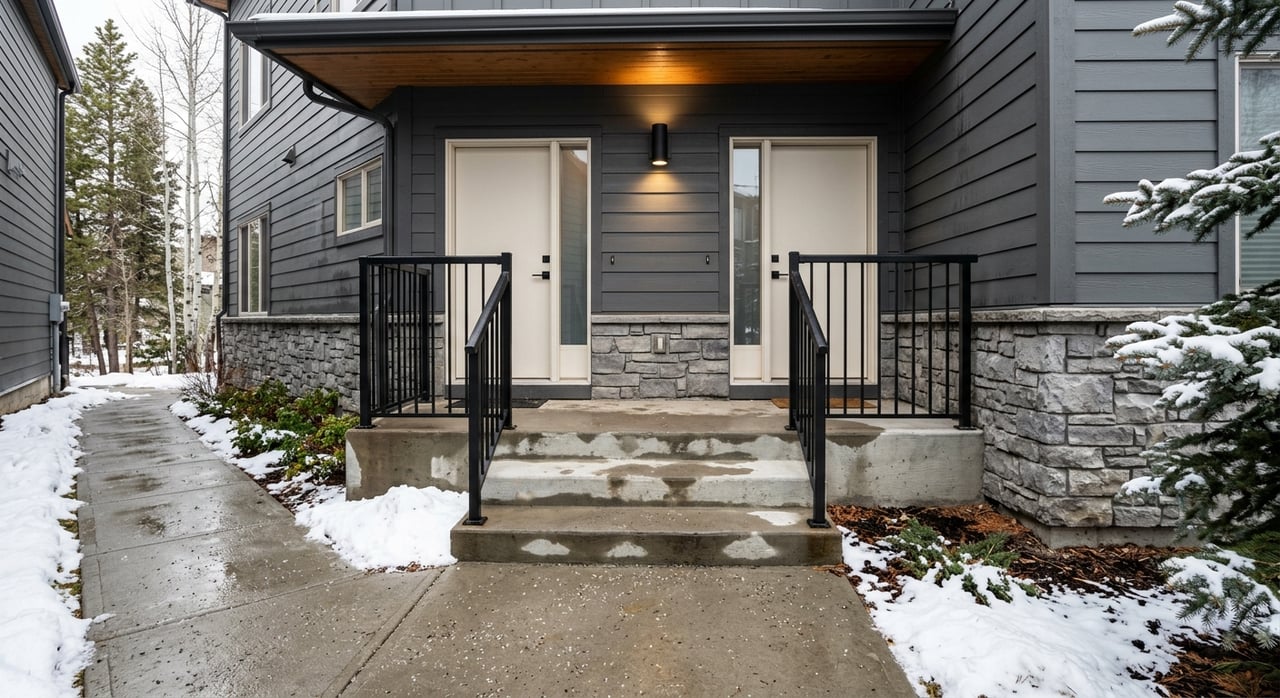
Wondering whether a condo in West Vail or Sandstone is the right fit for your Vail goals? If you want easier access, practical layouts, and a more day-to-day residential feel than the core village areas, these neighborhoods deserve a close look. The key is knowing that in this part of Vail, the smartest buyers focus just as much on building condition, HOA strength, and rental rules as they do on views and finishes. Let’s dive in.
Why West Vail and Sandstone stand out
West Vail and Sandstone are both within the Town of Vail, but they serve a different role than Vail Village and Lionshead. Town planning materials describe West Vail as a commercial hub for residents, while the village cores are more oriented toward resort-style retail and dining.
For you as a buyer, that often means these condo markets are more about function, access, and livability. If you want a base that supports skiing, summer use, errands, and flexible ownership, West Vail and Sandstone can offer a very different experience from the higher-profile core areas.
The Town of Vail also notes that it has about 5,000 permanent residents and about 5,000 part-time residents. That split helps explain why buyers here pay close attention to transit, second-home use, and short-term rental rules.
What buying here usually means
In simple terms, West Vail and Sandstone are often access-first condo markets. Buyers tend to ask practical questions: How old is the building? Has the unit been updated well? Is the HOA financially prepared for future work? Can you rent it short term if you choose to?
That makes due diligence especially important. In these neighborhoods, the value story is often shaped as much by underwriting and building review as by the finish level inside the condo.
West Vail condo character
West Vail has a more service-oriented, connected feel than the resort core. Planning documents point to a future that remains walkable, bike-friendly, and accessible by car and transit, with West Vail Center intended to become a more pedestrian-oriented multimodal hub.
That matters if you want a condo where daily convenience is part of the appeal. Being near shopping, transit stops, and the broader west side of Vail can make ownership easier whether you live here seasonally or use the property as a second home.
The town has also said West Vail will remain the heart of resident-occupied housing in Vail. That does not tell you who your neighbors will be in any given building, but it does help frame the neighborhood’s role within the town.
Sandstone condo character
Sandstone offers a similarly practical ownership story, but with its own layout and hillside setting. Public listing examples show a mix of condo types, including larger multi-bedroom units and projects with amenities such as fireplaces, full kitchens, balconies or patios, pools, hot tubs, and shuttle service.
If you are looking for a condo that can support longer stays or accommodate guests comfortably, Sandstone may give you strong options. Layout efficiency and usable square footage often matter a lot here, especially if you want flexibility for family, visitors, or rental planning.
Expect an older condo inventory
One of the biggest themes in both neighborhoods is building age. Public listing examples suggest many condo buildings date from the 1970s and 1980s, including examples in West Vail from 1970, 1976, 1979, and 1981, and examples in Sandstone from 1971, 1979, 1980, 1982, and 1989.
That does not automatically mean a property is a problem. It does mean that renovation quality and building maintenance should be central to your review.
A well-updated older condo can live very differently from one with mostly original systems and finishes. The same is true at the building level, where deferred exterior work or underfunded reserves can materially affect your ownership costs.
Layouts tend to favor function
Compared with ultra-luxury new construction, condo layouts in West Vail and Sandstone often lean practical. Public examples include a West Vail two-bedroom, two-bath condo of 1,078 square feet that could function like a three-bedroom if a wall were rebuilt, a West Vail three-bedroom-plus-loft plan, and a Sandstone three-bedroom, three-bath condo of 1,648 square feet with floor-to-ceiling windows and a remodeled kitchen.
For you, that can be a real advantage. If your priority is sleeping capacity, usable common space, or flexibility rather than flash, these neighborhoods may offer floor plans that work hard for the square footage.
Transit can be a major value add
The Town of Vail operates free, year-round bus service, and that is a meaningful part of the condo equation here. Current routes relevant to these neighborhoods include West Vail Red, West Vail Green, West Vail Express, Lions Ridge Loop, and Sandstone.
The West Vail routes serve stops such as Cascade Village/The Hyatt, Lionshead Transit Center, West Vail Mall, Timber Ridge, and Sandstone School. The Sandstone route serves Sandstone School, Red Sandstone Road, Vail View/Red Sandstone Road, Sandstone Creek Club, Simba Run, and Vail Run.
If you are trying to spend more time on the mountain and less time driving, this matters. In the right building and location, reliable bus access may reduce how often you use a second car.
Your condo due diligence checklist
When you buy in an older Vail condo market, document review is not a formality. It is one of the most important parts of protecting your downside.
Colorado seller disclosure guidance says sellers must disclose whether the property is in an HOA and provide key materials if available, including:
- Covenants and bylaws
- Recent owners’ meeting materials
- Directors’ or managers’ meeting minutes
- Recent financial statements
- Known covenant violations
- Approved special assessments or assessment increases
The state HOA office also identifies the declaration or CC&Rs, articles, bylaws, and rules as the core governing documents. These are the documents that help you understand what you are actually buying into.
Focus on HOA financial health
A condo’s sticker price is only part of the financial picture. You should also review the association’s budget, reserve balance, and any reserve study that may exist.
Colorado notes that HOAs must follow a budget process and may amend budgets for revenues, expenditures, and reserves. State guidance also says HOAs are not required by law to perform a reserve study, but if one exists, the association should have a funding plan and identify whether the study is based on a physical and financial analysis.
In a market with many older buildings, this review becomes especially important. You will want a clear picture of possible capital exposure tied to items such as:
- Roofs
- Windows
- Decks
- Exterior waterproofing
- Parking areas
- Elevators
- Mechanical systems
A technically strong review can help you separate a well-managed building from one that may face larger future costs.
Check short-term rental rules carefully
If rental income potential matters to you, verify the rules early. In Vail, a short-term rental for less than 30 days requires an approved town STR license before advertising or operating.
The town also requires at least $1,000,000 in liability coverage and a local representative within 60 minutes of the property who is available 24/7. Just as important, the town states that HOA rules or private covenants can be stricter than town rules.
That means town approval alone is not enough. You need to confirm both the municipal rules and the building-level rules before you underwrite rental income.
How to compare West Vail and Sandstone
If you are deciding between the two, start with how you plan to use the condo. There is no universal winner. The better fit depends on your daily priorities, your renovation tolerance, and how much weight you place on transit, layout, and rental flexibility.
Here are a few smart comparison points:
- Transit access: How easy is the walk to the bus stop, and how often would you use it?
- Building age and updates: Has the unit been renovated, and has the building kept pace with needed work?
- HOA finances: Are reserves healthy, and are there any known assessment pressures?
- Layout utility: Does the floor plan support your guest count and storage needs?
- Rental rights: Are short-term rentals allowed by both the town and the HOA?
- Daily convenience: Do you want easier access to shopping and services in West Vail, or do you prefer a particular Sandstone setting and floor plan?
Why local, technical guidance matters
Buying a condo in West Vail or Sandstone is not just about finding the nicest interior photos. It is about reading the building, the documents, and the risk profile with care.
That is where a process-driven approach can make a difference. When you evaluate not only price and location, but also construction age, renovation scope, HOA exposure, and rental constraints, you can make a more confident decision and avoid surprises after closing.
If you are considering a condo in West Vail or Sandstone, Patrick brings a construction-literate, analytically grounded approach to help you weigh quality, access, and long-term ownership costs with more clarity. To start the conversation, visit Patrick Scanlan - Main Site.
FAQs
What is the difference between West Vail and Sandstone for condo buyers?
- West Vail is described by the Town of Vail as a commercial hub for residents, while Sandstone is another residential condo area within town. For buyers, both tend to be more access-and-function oriented than Vail Village or Lionshead.
Are most West Vail and Sandstone condos older buildings?
- Public listing examples suggest many condos in both neighborhoods were built in the 1970s and 1980s, which is why building condition and renovation quality are important parts of due diligence.
Does the Town of Vail have free bus service for West Vail and Sandstone?
- Yes. The Town of Vail says its bus service is free and year-round, with routes that serve both West Vail and Sandstone stops.
What HOA documents should you review before buying a Vail condo?
- Colorado guidance says buyers should review items such as the covenants, bylaws, meeting materials, meeting minutes, financial statements, and disclosures about covenant violations or approved assessment increases.
Can you use a West Vail or Sandstone condo as a short-term rental?
- Possibly, but you need to confirm both town and HOA rules. Vail requires an approved short-term rental license for rentals under 30 days, and HOA or private covenant rules may be stricter than the town’s rules.
Why do reserves and special assessments matter in older Vail condo buildings?
- In older condo buildings, major components may require expensive work over time. Reviewing reserves, budgets, and any approved special assessments can help you understand your potential future costs.